
The Federal Reserve's decision mattered not only because it raised the Fed Funds target range to 3.75%–4.00%, but because it brought the prospect of US rates staying higher for longer back to the center of the debate. The statement, the unanimous 12–0 vote and the revised projections all pointed in the same direction: inflation remains elevated, activity is resilient and policymakers are not yet comfortable discussing near-term cuts.
The new FOMC projections reinforced this diagnosis. The median forecast moved to 4.1% at the end of both 2026 and 2027, before gradually declining to 3.9% in 2028 and 3.6% in 2029. At the same time, a large majority of participants signaled at least one more increase this year. The message is that the cost of money in the United States will not quickly return to the level many investors had envisioned a few months earlier.
The clearest reaction came from the yield curve. The two-year Treasury yield rose much more than longer maturities, while the ten-year moved only slightly higher and the thirty-year yield fell. This suggests that markets mainly repriced the expected Fed path over the next few years rather than a broad surge in long-term inflation expectations.
For global markets, this matters because the short end of the Treasury curve directly anchors the cost of capital, asset risk premia and the dollar's relative appeal. For Brazil, the effect appears in the interest-rate differential, the FX curve and the premium demanded for local assets. In short, the Fed delivered more than 25 basis points: it raised the hurdle the rest of the world must clear.
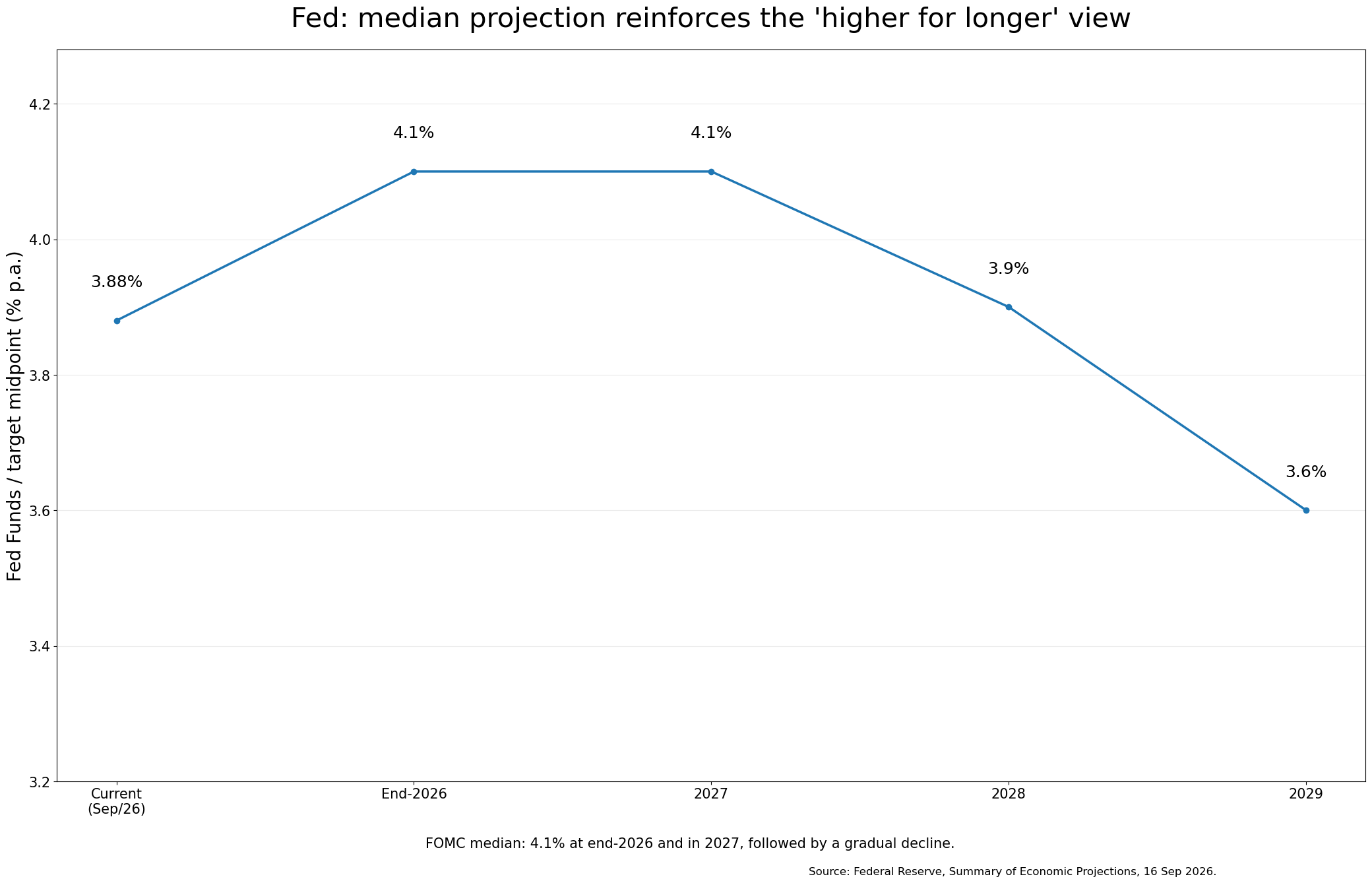
Figure 1. The FOMC median supports a higher-for-longer reading.
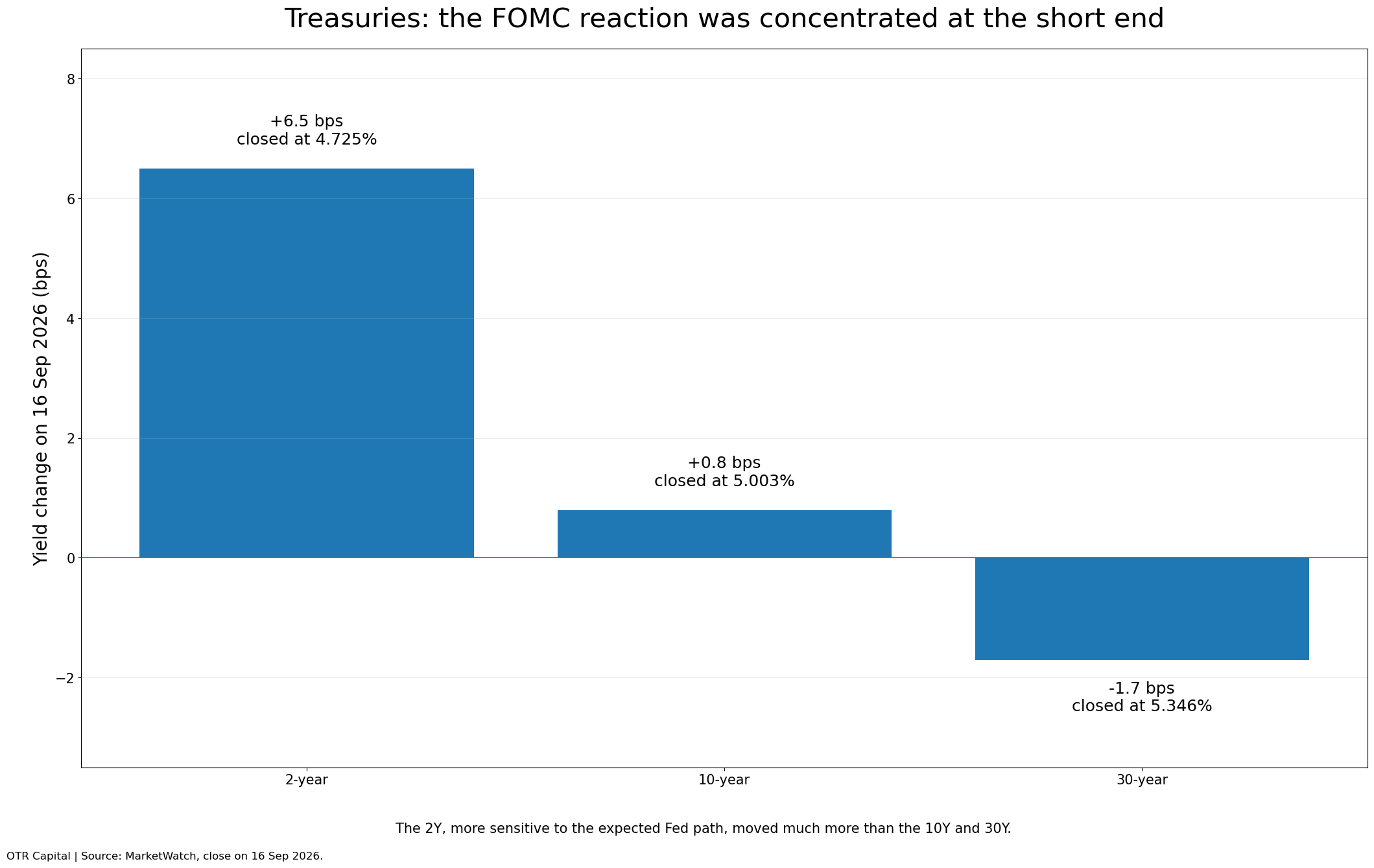
Figure 2. The short end reacted more strongly to the FOMC.
In summary
- The bigger surprise was in the tone and projections, not the rate increase itself.
- The curve showed repricing concentrated at the short end, consistent with a higher-for-longer narrative.
- Higher US short-term rates increase the opportunity cost of equities, credit and emerging-market assets.
Sources
- Federal Reserve — FOMC Statement (16 Sep 2026). Access source
- Federal Reserve — Summary of Economic Projections (16 Sep 2026). Access source
- MarketWatch — closing data for the 2Y, 10Y and 30Y Treasury yields on the decision day. Access source
- Reuters — Stocks pull back after Fed raises rates and points to another hike this year (16 Sep 2026). Access source
Visual note: charts were prepared for OTR Capital from the sources listed; illustrative images were generated with AI where a chart would not serve the editorial purpose.